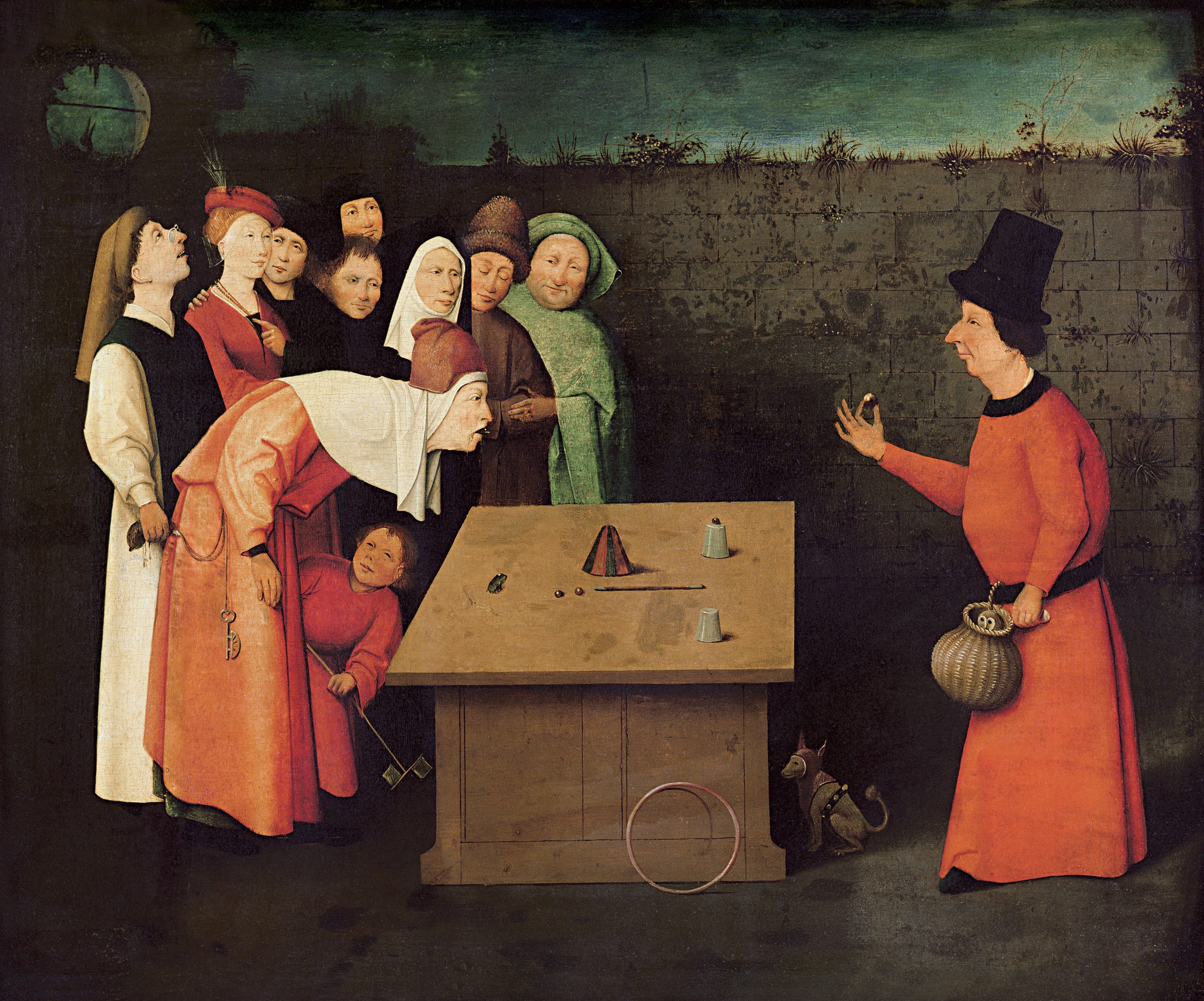

The Charlatan's Modus Operandi
When political vision extends no further than the next quarterly report, culture is the first thing to be sacrificed. Public funding today, justified by the (potential) future generation of jobs and tax revenue decades down the line, is dismissed as central planning. But do not despair, fellow creatives! For those who know how to bluff like a charlatan, there are always resources to be found.
For starters
Swedish companies that build their business on culture have long enjoyed international support from the so-called 'image of Sweden', which portrays us as a trend-sensitive, innovative society that values citizens according to their purchasing power.
Swedish businesses receive resources from Vinnova, the Swedish Agency for Economic and Regional Growth, Business Sweden, and several other major authorities. But nowadays, cultural authorities are also tasked with contributing to the implementation of the government's trade strategy for Sweden.
In the 2024 cultural strategy it is explicitly formulated: "Artistic freedom and freedom of enterprise are prerequisites for one another". The constitution explains that it is freedom of speech that is the prerequisite for artistic freedom, but fair enough.
In other words, you are right to wonder why and when culture was tasked with promoting trade, but you need to keep quiet about that for the time being. Now, you would do best to learn how charlatans in 2026 go about accessing the shrinking portion of the state budget that, according to cultural policy objectives, is supposed to go towards "artistic quality", "diversity", and "everyone's right to culture".
Capitalist icon Milton Friedman explained that ”the business of business is business”. In the Sweden of the Tidö Agreement, however, even culture is classified as business, because Swedish politicians and entrepreneurs do not care about "free art". But they love "free enterprise".
Accept this and communicate in this way if you want the Tidö coalition to accept that you are worthy of a handout:
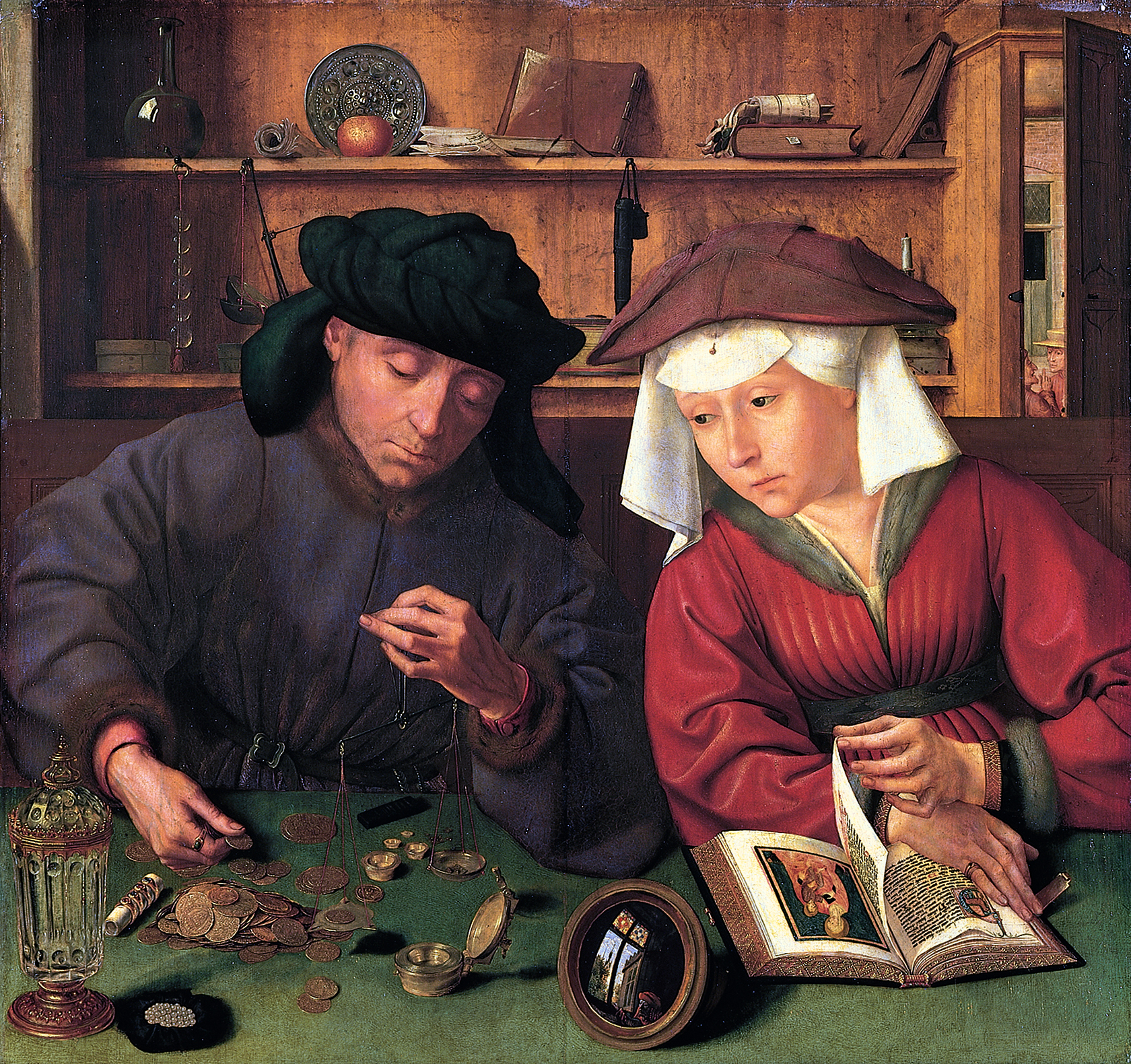
TIP #1: talk business – not art!
Instead, point out that taste is subjective – no one is "right" in their assessment of artistic relevance. Do as ambitious Swedish artists have done for a long time: swallow your pride and accept both pre-screening and self-censorship in order to survive – claim that the market is your friend.
Remember: from a political perspective, art hasn't been particularly free since "Carl Bildt et al." 1990 tabled a motion to get "representatives of culture [to] develop their market contacts and seek to focus cultural interest on the good supply.”
This has not changed, regardless of the government in power.
Those "representatives of culture" who want a share of the money have been market-oriented rhetoricians ever since. Don't forget that the Left also wants to avoid paying for culture (they don't understand it either). Therefore, stop talking about artistic concepts and instead explain why your ideas will be a hit in global markets, preferably with the help of new technical solutions that you can read about in the papers.
_-_The_Tooth_Puller.jpg)
TIP #2: stop being so sentimental!
”I am certain of nothing but the holiness of the heart’s affections and the truth of imagination”; wrote John Keats in a letter in 1817, reminding us of the fleeting nature of love and art in an age of rationalism and industrialisation.
Forget all that romantic nonsense.
In the post-truth era, those who master the market's buzzwords thrive. Those who know that there are still resources to be harvested, even in the 0.62% field of culture. By using tropes about how ”everything that can become a service will become a service” and words like ”monetisation” and ”financialisation” – even in classic cultural projects – you open up entirely new possibilities.
Sprinkle in words that are open to interpretation, such as "democracy", "diversity" and "enabler" – no one will question you or ask you to elaborate!
If, deep down, you don't actually want culture to be governed by the logic of speculation, remind yourself of Keats' words on the holiness of the heart's affections and the truth of the imagination. But do it quietly – otherwise, the Powers That Be might dismiss you as anti-capitalist.
And never forget: nothing cures the cultural contempt of Swedish authorities – give up all attempts to explain.
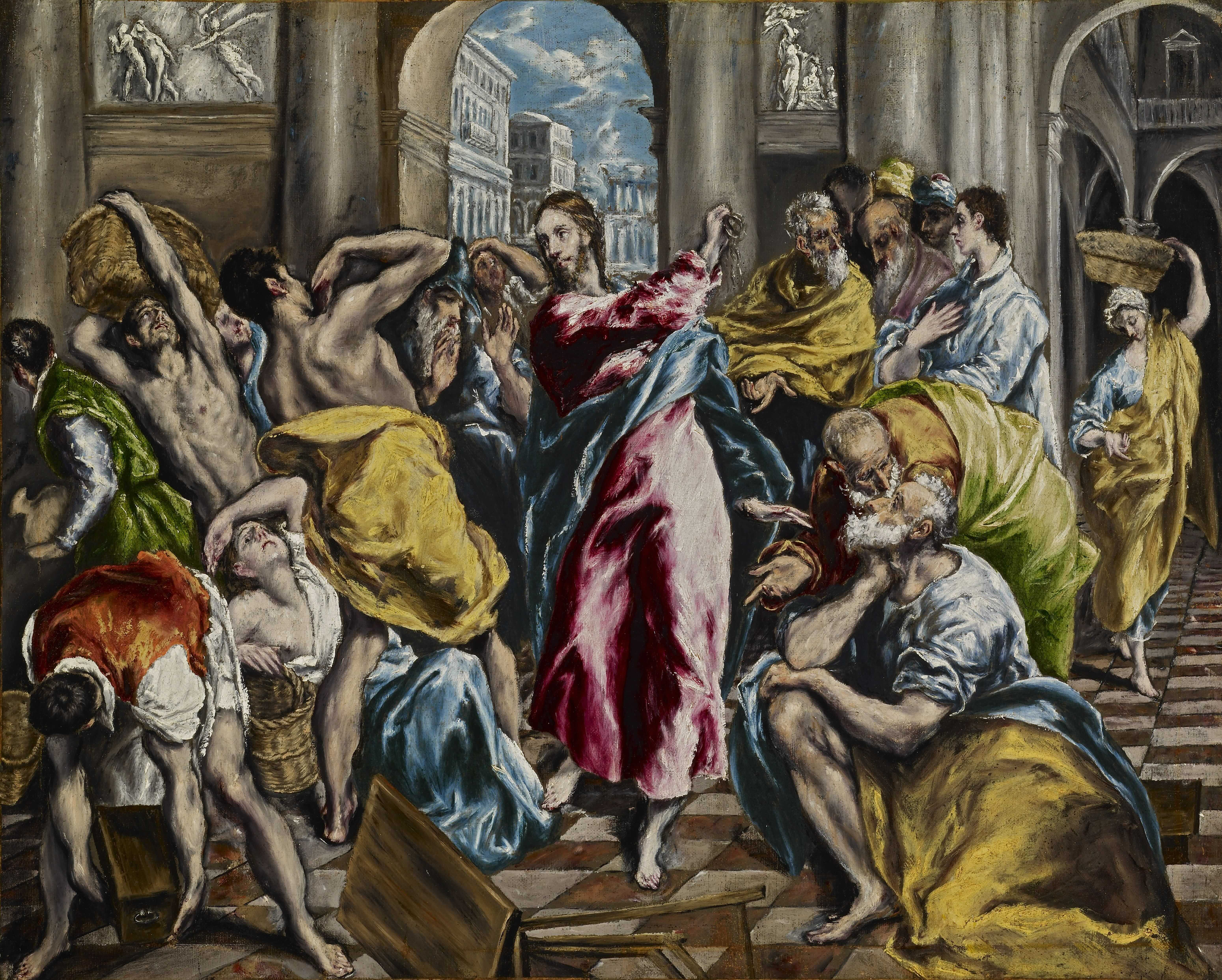
TIP #3: help the Powers That Be with their self-image!
Everyone wants to appear cultural.
Use ideological flexibility, quasi-legalese, and don't forget that cultural institutions are business-blind. Tailor your promises:
Promise politicians that, upon approval of funding, you will strengthen their brands – both at a party and individual level. During the current term of office. Do your research!
How to talk to politicians: "The goal of my exhibition is to inspire local producers to create new, iconic bestsellers that put [relevant region] back on the map!"
Everyone in the cultural sector is terrified of being seen as elitist or conservative, and even more terrified of being perceived as boring. Scare or entice them with promises of digital innovations they don't understand but absolutely cannot afford to miss. They must not be "behind the curve"!
How to talk to the cultural sector: "You don't understand this, but I do. Future-proof your business by giving me funding – or become irrelevant!"
The private sector is trickier – you are after the 'soft' money, i.e., funding that doesn't require a return on investment. By explaining that backing you is good PR, you can secure funding regardless.
How to talk to business owners: "You will receive enormous media attention because I will make it clear that none of this would have been possible without your help."
(If they ask for measurable goals – run!)
The bleak, long-term reality
Sweden has no success without resources. That is why those in power talk about "miracles" – they gaslight voter-consumers and help both the state and the private sector minimise the costs of culture. Our media outlets are happy to avoid deeper analysis because the powers that be pose a greater existential threat to them than the declining livelihoods of artists.
It is easy to understand: if you are living on the margins, it is better to be part of a "miracle" than to be nothing at all. According to the calculations of those in power, the cultural sector's demands for increased support and relief decrease the more it is praised.
But the PR trickery regarding the self-image of Swedish cultural creators only puts a thin veneer over reality and will have major negative effects on long-term regrowth. Sorry, growth. But that doesn't show on election day.
It is a shame. Because internationally, Sweden is at a deficit – a country that sells its creativity before it has matured. A safe investment, but eternally unimaginative. That won't last in the long run. Even from the perspective of GDP, which those in power love so much, the marginalisation of the culture of the future will be felt. Don't forget that.
It is easy to claim that art is only truly free if it doesn't have to react to politics and capital – but that is a simplification that no longer suffices. To showcase serious alternative systems for future societal development, it must challenge with ambition, and that requires a constant eye on the movements of capital.
Doing your homework is not selling out.
The first step is the total purging of all self-interest that steers culture in the wrong direction. It is, in reality, the responsibility of politicians to understand long-term perspectives. When they fail, culture must learn to bluff like charlatans.
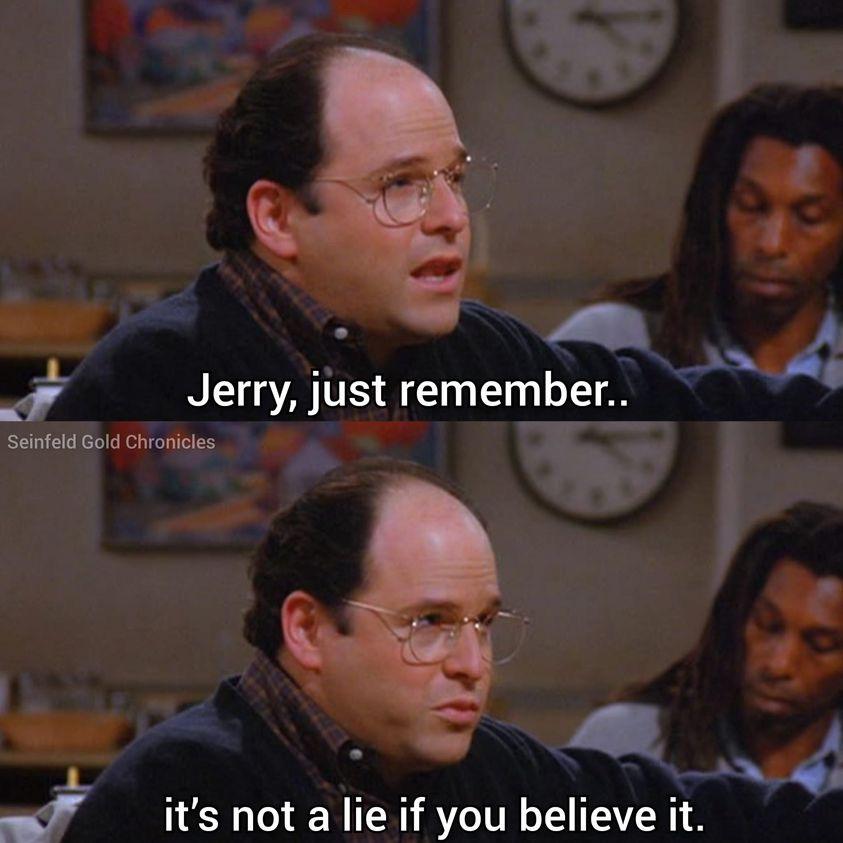
”Just remember … it’s not a lie if you believe it” George Costanza reminded us in a classic episode of Seinfeld, where he described his unique ability to lie so convincingly that he believes it himself. Late-stage capitalism relies on the carrot of hope dangling just in front of our noses, and we would do well to learn how to master George’s technique.
Perhaps we can convince ourselves that art lacks intrinsic value and just needs a better pitch?
– MS
Fördjupning:
- Mark Fisher: The Slow Cancellation of the Future (föreläsning)
- Jürgen Habermas: The Theory of Communicative Action (pdf)
- Evgeny Morozov: To Save Everything, Click Here – The Folly of Technological Solutionism (föreläsning om bok)
- Cris Shore & Susan Wright: Audit Cultures: Anthropological Studies in Accountability, Ethics and the Academy (kapitel ur antologi, 2015)